
_edited_edited.jpg)


Electricity
is the First Instrument.
Electronic music begins long before synthesizers, drum machines, or computers.
Its first instrument is electricity itself.
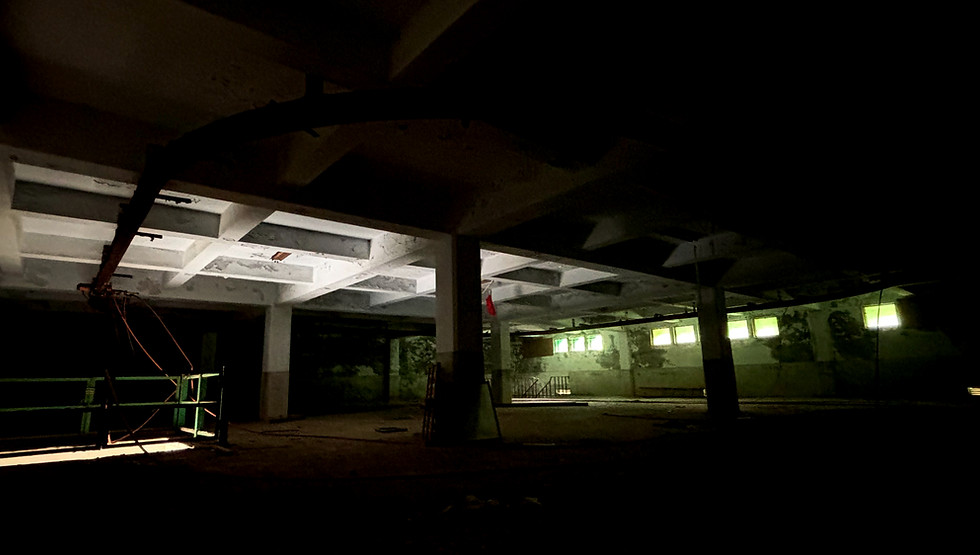
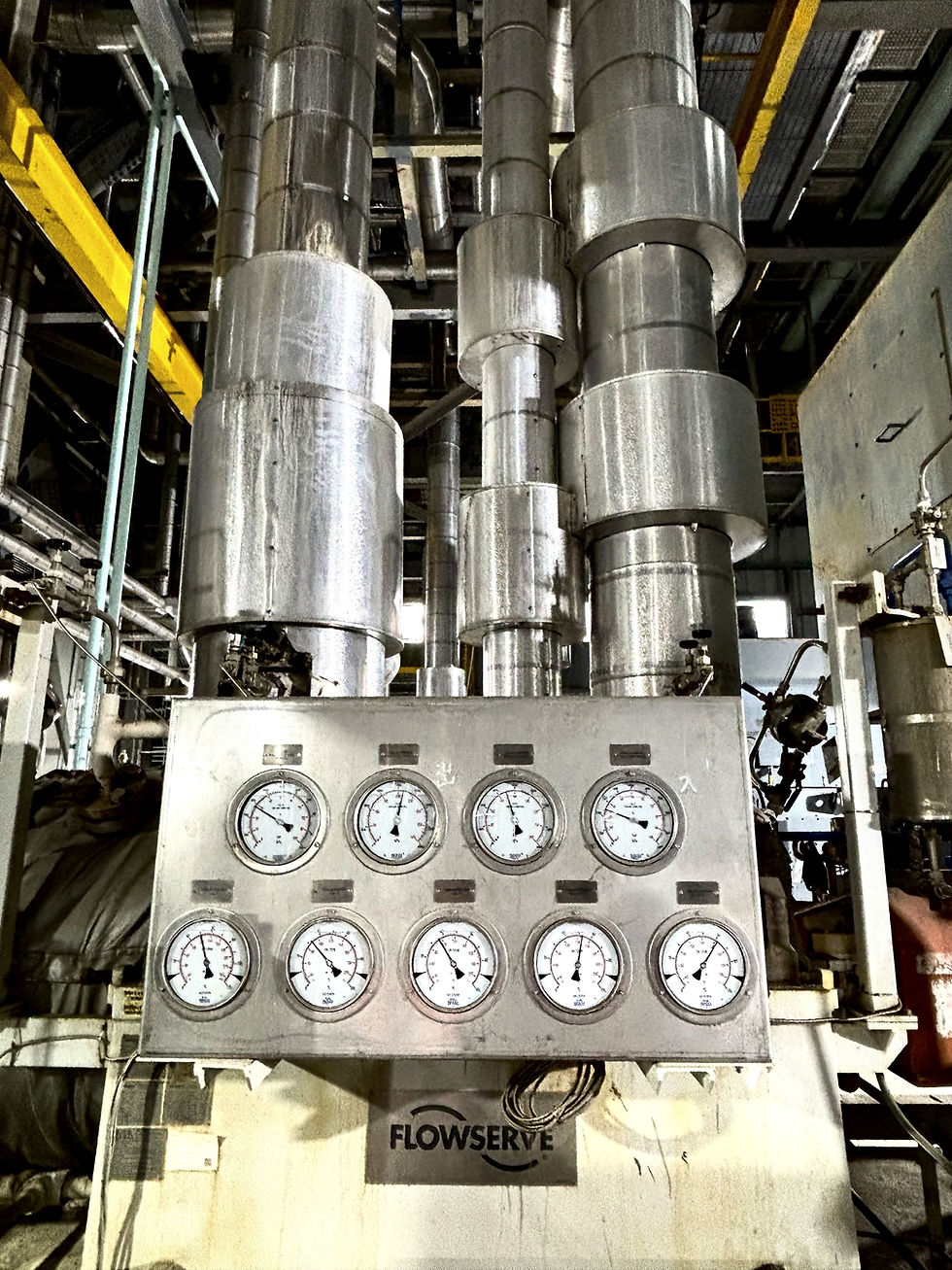
Listening
to Taiwan Through Electricity.
Taiwan’s independent power system has generated a unique sonic environment for decades.
Electric Musicology explores Taiwan through the sounds of its energy infrastructure.

as Design Material.
Sound
Field recordings are not only documents.
They can become materials for identity, space, culture, and design.


Electric Musicology is a sound research and archive project rooted in Taiwan’s electrical infrastructure.
Since 2025, we have conducted field recordings across power plants, substations, material warehouses, and transmission and distribution facilities, documenting the sounds of operating machinery, energy conversion, warning signals, and retired electrical materials. Through classification, editing, and sonic translation, these recordings are gradually being developed into an archive for listening, research, and creative reuse.
More than a series of studies on Taiwan’s electrical systems, Electric Musicology is a growing sonic material system. Through electrical infrastructure, the project opens a new way of understanding electronic music, local memory, and contemporary life.
Electronic music exists through electricity.
Within operating electrical systems, we can also hear many of electronic music’s fundamental sonic forms.
Continuous low frequencies, mechanical pulses, electrical interference and distortion, and electromagnetic activity beyond direct human hearing collectively form the distinctive soundscape of electrical infrastructure.
Electric Musicology begins with these real-world sounds to reconsider the relationships between electricity, sound, and Taiwan.
ABOUT

DIMENSIONS
Why Four Sound Categories?
Drone, Noise / Glitch, Signal / Pulse, and Electromagnetic Field . Electric Musicology is not organised by musical genre or recording location. Instead, its classification system begins with the sonic characteristics produced by electrical systems in operation, establishing a method for listening to Taiwan’s energy infrastructure. Each category connects physical phenomena and infrastructural systems with the language
of electronic music. Through Drone, Noise / Glitch, Signal / Pulse, and Electromagnetic Field,we listen anew to the sonic environment shaped by Taiwan’s independently operated power grid. Through guided listening and sonic translation, the project also considers the possible
relationships between these infrastructural sounds and the creation of electronic music in Taiwan.
These four categories are not mutually exclusive. Multiple sonic characteristics may occur within the same power plant, the same piece of equipment, or even the same recording. Together, they form four sonic dimensions through which Electric Musicology understands Taiwan’s energy infrastructure, while establishing a method of listening and interpretation situated between electrical engineering, sound art, electronic music, and cultural research.


EXPLORE
Electrical facilities across different periods, landscapes, and energy systems have created distinct sonic environments throughout Taiwan.
From flowing water and rotating turbines in hydropower plants, to combustion and operating machinery in thermal power plants, pressure control in natural-gas facilities, the near silence of a stable substation, and the resonance of retired electrical materials, each site reveals a different stage in the generation, transformation, and transmission of electricity.
Select a field-recording site on the map to begin listening to Taiwan’s electrical infrastructure.
Select a site to explore its sounds. ▼
